Q1 Laws of integral indices
Q2 More about polynomials
(a)
(b)
Q3 Approximate values and numerical estimation
(a)
(b)
(c)
Q4 Organisation of data
Q5 Formulae
(a)
(b)
Q6 Using percentages
(a)
(b)
Q7 More about polynomials
(a)
(b)
Q8 Rectangular coordinate system
(a)
(b)
Q9 Similar triangles
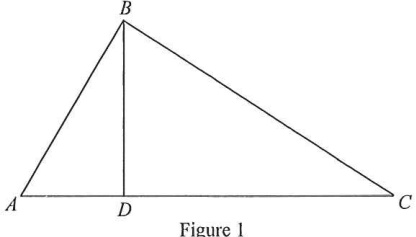
(a)
(b)
Q10 Functions and graphs
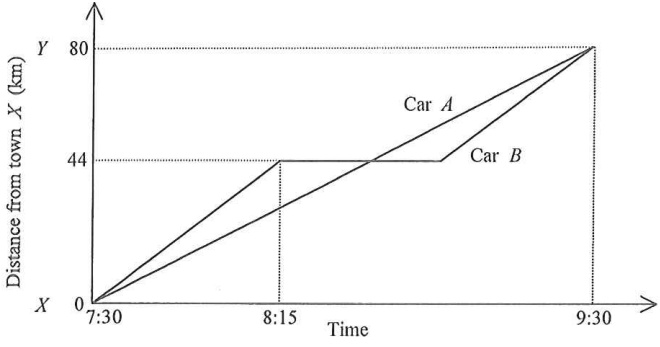
(a)
(b)
(c)
Q11 Measures of dispersion

(a)
(b)
Q12 Equations of circles
(a)
(b)
(i)
(ii)
(iii)
Q13 Variations
(a)
(b)
Q14 Mensuration
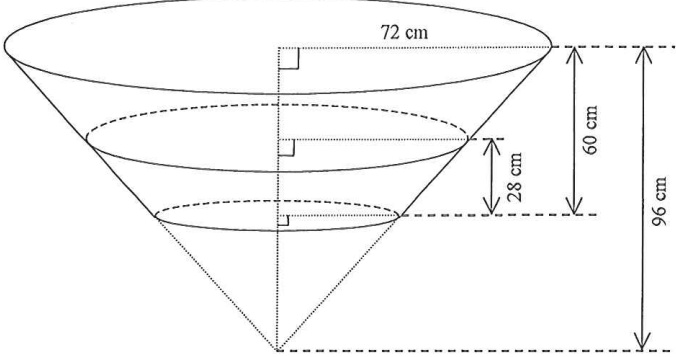
(a)
(b)
Q15 Exponential and logarithmic functions
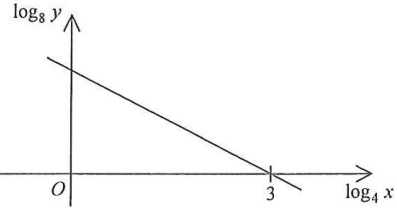
Q16 Arithmetic and geometric sequences and their summations

Q17 Trigonometry
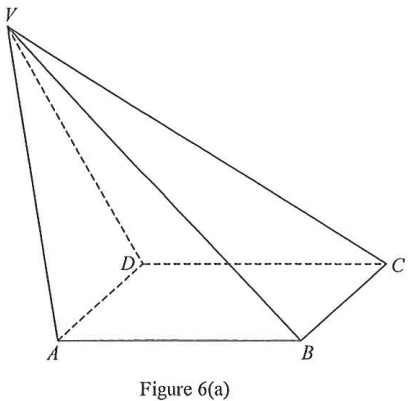
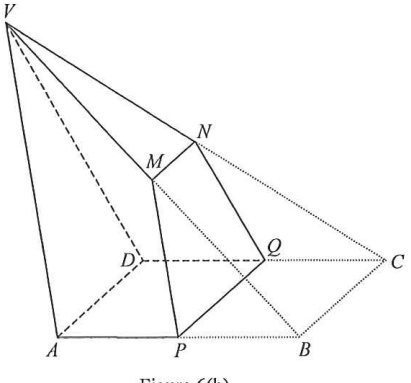
(a)
(b)
Q18 Inequalities and linear programming
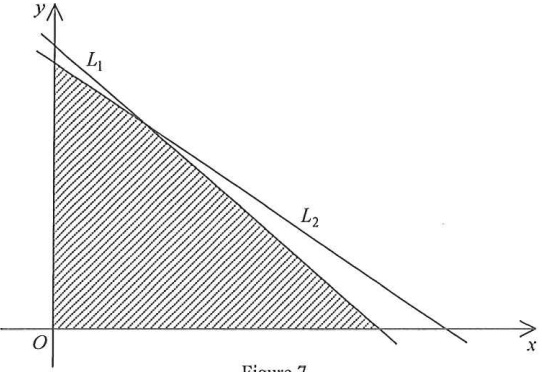
(a)
(b)
Q19 Probability
(a)
(b)
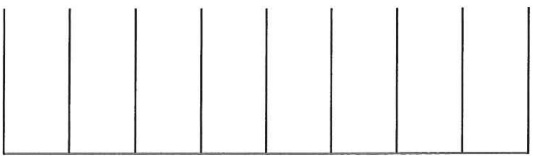
(i)
(ii)
(iii)
Q1 Laws of integral indices
Q2 Identities
Q3 Identities
Q4 Quadratic equations in one unknown
Q5 More about graphs of functions
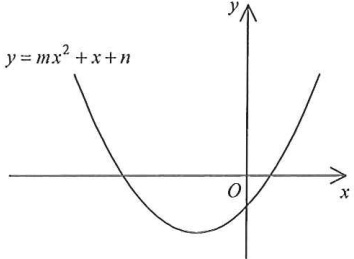
Q6 Inequalities and linear programming
Q7 Inequalities and linear programming
Q8 Linear equations in two unknowns
Q9 Using percentages
Q10 Arc lengths and areas of sectors
Q11 Errors in measurement
Q12 Rates, ratios and proportions
Q13 Variations
Q14 Arithmetic and geometric sequences and their summations
Q15 Mensuration
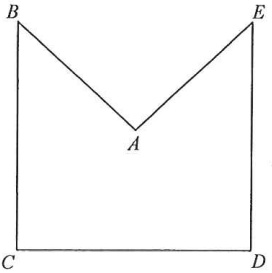
Q16 Quadrilaterals
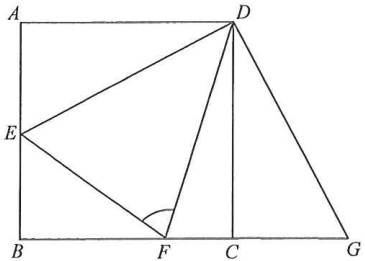
Q17 Similar triangles
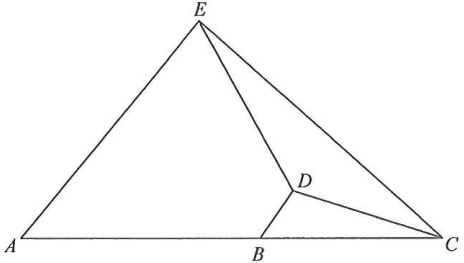
Q18 Trigonometry
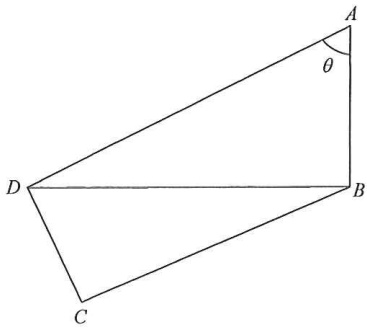
Q19 Trigonometry
Q20 Basic properties of circles
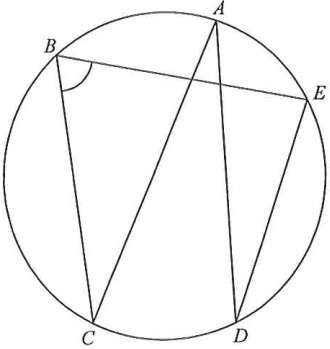
Q21 Basic properties of circles
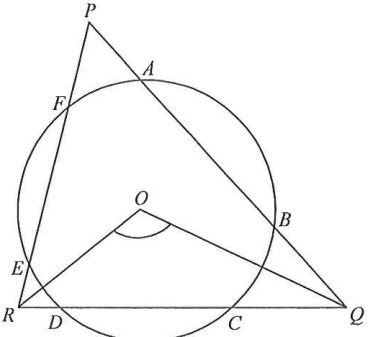
Q22 Polygons
Q23 Trigonometry
Q24 Loci
Q25 Linear equations in two unknowns
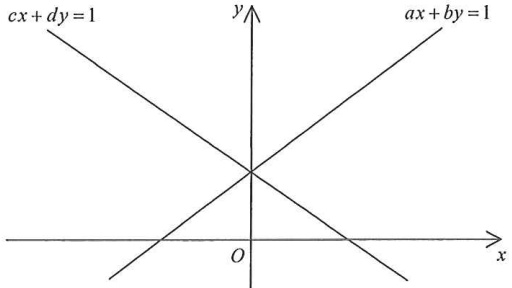
Q26 Equations of circles
Q27 Probability
Q28 Measures of central tendency
Q29 Presentation of data
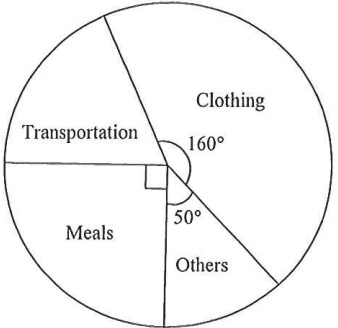
Q30 Measures of dispersion
Q31 More about polynomials